The Abundant Table is committed to physically and spiritually nourishing our community by offering whole, healthy, food and by cultivating vital relationships to the earth and to one another.
We are a democratic workplace where workers have equitable say in the decisions that affect how we relate to the farm, to our community, to Mother Earth, and to each other.
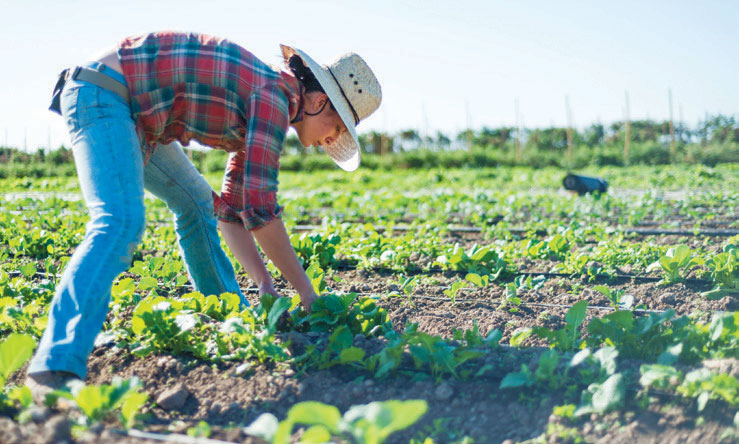
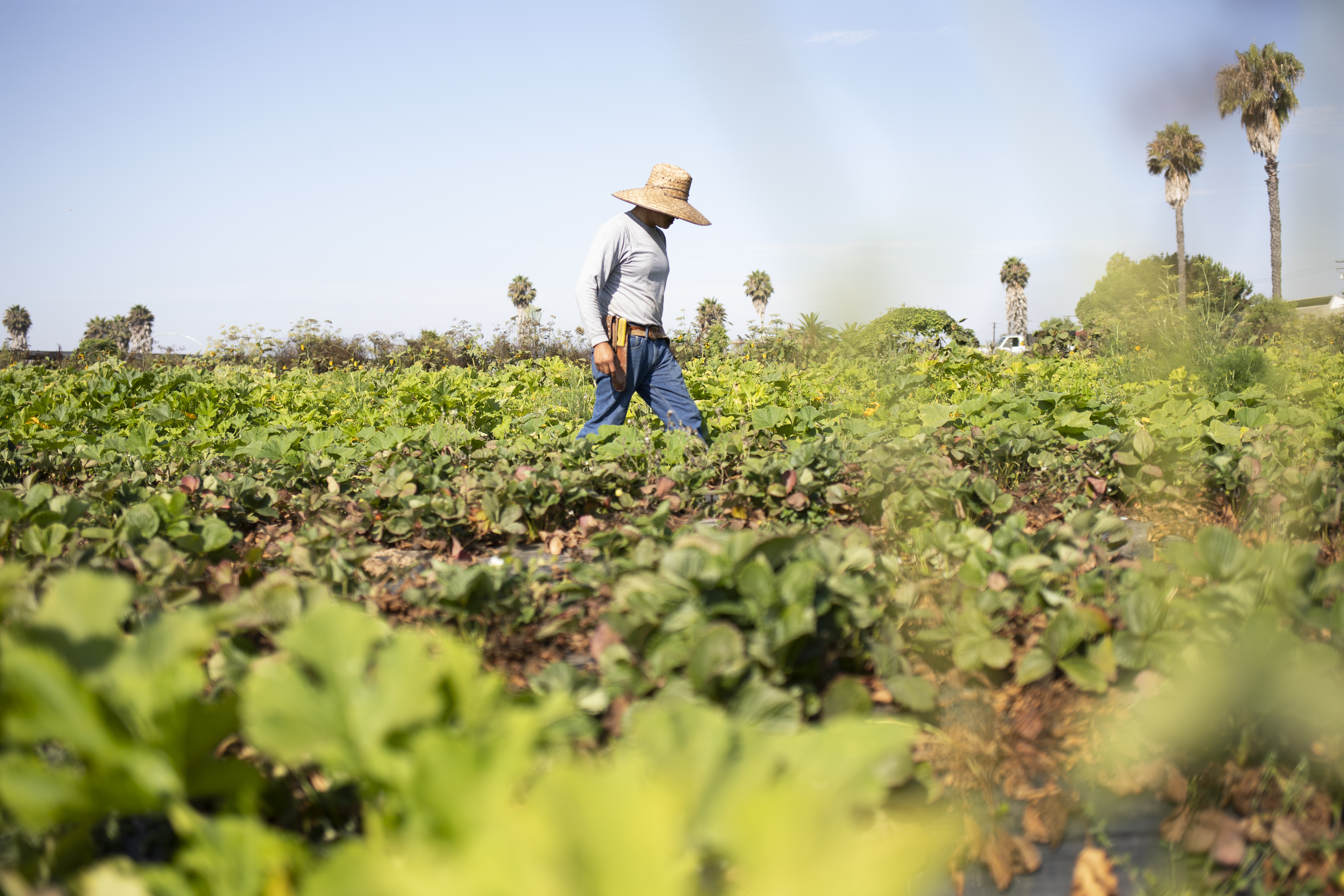
We incorporate sustainable growing practices like water conservation, crop rotation, and cover cropping to grow mixed vegetables, strawberries, and flowers for those seeking an alternative to conventional food systems.
We create greater access to sustainably grown foods for the benefit of all Ventura County residents, produced from a consciousness of ecological, social, and spiritual well-being.
Along with growing food for our local community, we offer a variety of immersive and educational experiences both on and off the land that grow community, capacitate, and cultivate a deeper spiritual connection to the land and the food we grow.
Our journey
In 2006, a small Episcopal and Lutheran campus ministry was established at California State University Channel Islands in Camarillo, California, which through a lay chaplaincy program, set to build community and discern outreach on campus and beyond.
Over the course of the next few years, through thoughtful conversation, visioning, and prayer, the worshiping community decided to launch The Abundant Table, whose mission was to change lives and food systems by creating sustainable relationships to the land and local community.
The project inaugurated a year-long residential internship program for young adults desiring to live in intentional Christian community. Our interns came to establish nutrition education programs to empower youth and their families to advocate for sustainability and healthy eating, as well as food system reform.
The internship program soon became a cross-class operation with college graduates learning under the tutelage of migrant farmworkers, which together built The Abundant Table into a working farm, one of a handful of small-scale sustainable farms within Ventura County’s sea of industrial agricultural operations.
Salsa dancing became as important to us as a good composting system, and conversations about race, identity, sexuality, and spirituality became as common as which seeds to plant or how much nitrogen was in the soil.
This culture of critical thinking has paved paths for migrant farmworkers themselves to engage, teach, and challenge dominant ways of doing even at The Abundant Table and to take on leadership positions in dignified ways.
We hope our efforts to create a dignified workplace while transforming our food system towards justice, liberation, and increased health for all people can also show that another world is not only possible, she’s already being built by efforts of us all.